
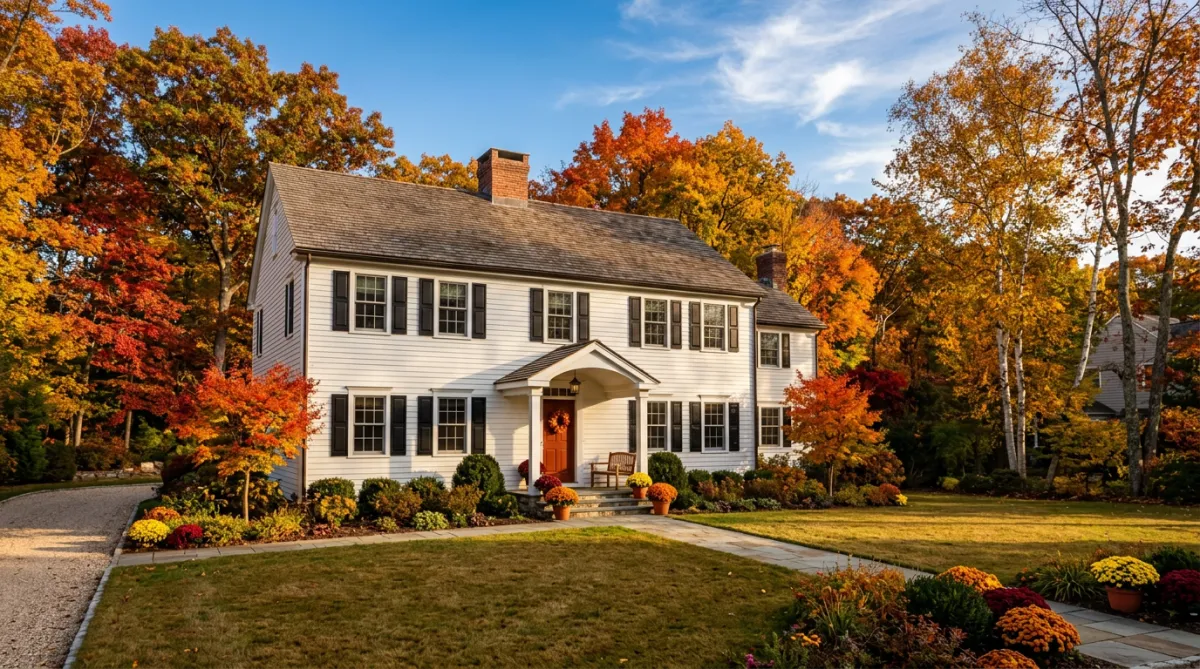
Downsizing After 55 in the Boston Suburbs: Where to Start
Downsizing After 55 in the Boston Suburbs: A Practical Starting Point
You have spent decades building equity, filling rooms, and maintaining a home that worked beautifully for a certain season of life. Now the calculus has shifted. Maybe the yard feels like a part-time job, or the stairs are becoming an afterthought you can no longer ignore. Whatever is prompting the conversation, downsizing in Newton, Waltham, or Watertown is one of the most financially and personally significant moves you will ever make... and getting the sequence right matters enormously.
The good news: the Greater Boston suburbs offer a genuinely compelling range of options for homeowners ready to right-size. This guide will walk you through where to begin, what to consider locally, and how to approach the process without feeling overwhelmed.
Step One: Clarify What You Actually Want
Before you look at a single listing, spend real time answering these questions honestly:
- Do you want to stay in the same town, or are you open to moving within the Newton, Waltham, Watertown corridor?
- Is walkability a priority? All three towns offer distinct walkable cores: Newton Centre, Waltham's Moody Street district, and Watertown Square each have their own character.
- Are you drawn to a condo with minimal maintenance, a smaller single-family home, or an active adult community?
- What square footage threshold feels right? Most downsizers find the sweet spot between 1,000 and 1,600 square feet... enough space to host, not so much that cleaning becomes its own project.
Writing these answers down before you tour a single property will save you weeks of second-guessing later.
Understand the Local Inventory Landscape
The Greater Boston condo market in towns like Newton and Watertown has grown steadily as developers have converted older multifamily buildings and added new construction. According to the Massachusetts Association of Realtors, condo sales have consistently represented a strong share of overall residential transactions in Middlesex County, giving downsizers real choices across price points.
Newton tends to carry a higher price per square foot than Waltham or Watertown, but it also offers some of the most established condo communities in the suburbs. Waltham has seen significant new construction near its commuter rail corridors, which appeals to buyers who want newer finishes without Newton pricing. Watertown sits at a compelling intersection: close to Cambridge and Boston, with a rapidly revitalizing commercial core and a growing inventory of well-priced condos.
Knowing these distinctions helps you make trade-offs consciously rather than reactively.
The Financial Conversation You Cannot Skip
Downsizing is often framed as a lifestyle decision, but for most homeowners over 55 it is also a wealth-unlocking event. Here are the financial layers worth addressing before you list:
- Capital gains exclusion: The IRS allows a federal exclusion of up to $250,000 in gains for single filers and $500,000 for married couples filing jointly on the sale of a primary residence, provided you have lived there for at least two of the last five years. Consult your tax advisor to confirm your eligibility.
- Massachusetts state tax: Massachusetts taxes capital gains at a flat rate. Work with a local CPA who understands how the state treats long-term property gains, because the rules have nuances that a national tax preparer may miss.
- Condo fees and reserves: A lower purchase price does not automatically mean lower monthly costs. Condo associations in Newton and Watertown vary widely in their monthly fees and reserve fund health. Always request the most recent reserve study before making an offer.
- Mortgage vs. cash: Many downsizers have the equity to purchase outright. Others prefer to keep capital liquid. Neither choice is universally right... a fee-only financial planner can model both scenarios for your specific situation.
Timing Your Sale and Your Purchase
This is where many downsizers feel the most anxiety, and understandably so. The Greater Boston market moves quickly. Waiting until you have a ratified purchase agreement before you list your current home can mean missing the property you want. Listing first can mean a gap in housing.
Several strategies reduce this tension:
- Contingent offers: In a balanced or buyer-friendly segment of the market, some sellers will accept an offer contingent on the sale of your current home. This is less common in competitive micro-markets like Newton Centre or Watertown Square, but it is worth exploring.
- Bridge financing: Some lenders offer short-term bridge loans that allow you to close on your new home before your current one sells. Ask your lender specifically about products available for 55-plus borrowers with substantial home equity.
- Lease-back agreements: If you sell first and need time to find your next property, you can negotiate a post-closing occupancy agreement with your buyer, allowing you to remain in your home for a set period after the sale closes. This is a common and workable solution in Greater Boston transactions.
Preparing Your Current Home to Sell
Homes owned for 20 or 30 years often need thoughtful preparation before hitting the market. Buyers today have heightened expectations around finishes and move-in readiness, particularly in the Newton and Watertown price ranges where $600,000 to $900,000 condos set a visual benchmark.
Focus your energy and budget here:
- Fresh, neutral interior paint throughout. This single investment consistently delivers strong return on effort.
- Deep cleaning and decluttering. Buyers need to visualize their own lives in the space... not read the history of yours.
- Updating lighting fixtures. Older fixtures are among the most immediately noticeable signs of a home's vintage, and they are relatively inexpensive to replace.
- Landscaping and curb appeal. First impressions in Boston-area markets happen online before they happen in person. Your exterior photographs need to compete.
A pre-listing consultation with an experienced local agent will help you prioritize which updates will move the needle and which ones you can skip entirely.
What to Look for in Your New, Smaller Space
Downsizing is not just about fewer square feet. It is about choosing space that works harder for you. When touring condos or smaller homes in Newton, Waltham, or Watertown, pay close attention to:
- Single-floor living: Even if you are comfortable on stairs today, a floor plan that works entirely on one level is a long-term asset.
- Storage quality over quantity: Thoughtful built-in storage in a 1,200-square-foot condo can outperform ample but awkward storage in a 2,500-square-foot colonial.
- Natural light: Smaller spaces live larger when they are well-lit. Corner units and top-floor condos often command a premium for exactly this reason.
- Parking and accessibility: Covered or garage parking adds daily comfort and long-term resale appeal. Check whether elevator access is present if the unit is above ground level.
- Building age and mechanical systems: Newer construction in Waltham's Route 128 corridor tends to have updated mechanical systems. Older conversions in Watertown can be charming but warrant careful inspection.
The Emotional Side of the Move
Let us be direct: leaving a home you have lived in for 25 years is not purely a transaction. It carries weight. Adult children may have opinions. Decades of accumulated belongings require decisions. The process of letting go... whether that means donating, selling, or simply discarding... takes longer than most people anticipate.
Build this into your timeline. Estate sale professionals and senior move managers operate throughout the Greater Boston area and can be genuinely valuable partners in this process. The National Association of Senior Move Managers maintains a directory of vetted professionals at nasmm.org if you want to explore that resource.
The right agent will also pace this conversation with you, rather than pushing you toward speed for the sake of a commission timeline. That is the difference between a transactional relationship and a real partnership.
Why Local Expertise in Newton, Waltham, and Watertown Matters
These three towns are distinct markets, not interchangeable versions of the same suburb. Pricing per square foot, condo association quality, proximity to the Green Line versus the commuter rail, the character of specific neighborhoods... all of these variables require someone who has negotiated deals in these zip codes, not just read about them.
Working with an agent who knows which Watertown condo buildings have strong reserve funds, which Newton neighborhoods have the most accessible streetscapes, and which Waltham developments offer the best value per square foot is not a luxury. It is the difference between a smooth transition and a costly mistake.
Ready to Take the First Step?
Downsizing is one of the most meaningful financial and personal decisions you will make. The Mike Hughes Team has helped homeowners across Newton, Waltham, and Watertown navigate exactly this process: pricing strategically, preparing homes thoughtfully, and finding the right next chapter without unnecessary stress.
If you are starting to think seriously about what a move might look like, let us have a real conversation. No pressure, no pitch... just honest information about what your home is worth today and what your options look like in this market.
Visit mikehughesteam.com to learn more or call us directly at 617-433-9225. We are here when you are ready.