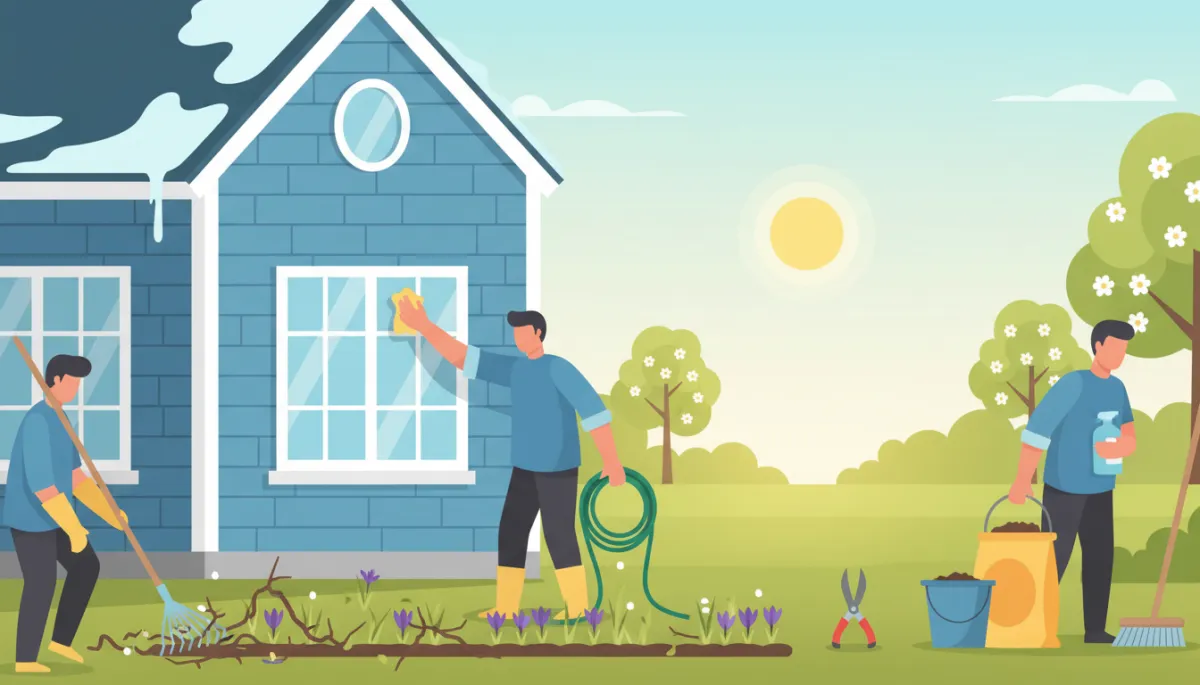
10 Spring Home Prep Tasks After Winter
Home Maintenance, Seasonal Prep
10 Essential Spring Home Prep Tasks After a Long, Snowy Winter
When the snow finally melts and the days grow longer, your home needs a little attention to recover from winter and get ready for spring. These ten practical tasks will help protect your investment, prevent costly repairs, and make your space feel fresh again.
1. Inspect Your Roof and Gutters for Winter Damage
Snow, ice, and wind can be tough on your roof. Walk around your home and look for missing or curled shingles, sagging areas, or damaged flashing. Check that gutters and downspouts are securely attached and free of debris so meltwater and spring rain can drain properly instead of backing up and causing leaks or foundation issues. If something looks questionable, schedule a professional inspection before the rainy season begins in earnest.
2. Check for Ice Dam and Water Stains Indoors
Inside, carefully inspect ceilings, upper walls, and around windows for yellow or brown water stains that may have formed under snow and ice. Ice dams along the roofline can force water under shingles and into your home. Catching these stains early allows you to repair small leaks, address insulation or ventilation problems in the attic, and repaint before the damage spreads or mold develops in warmer weather.
3. Service Your HVAC System and Replace Filters
After working hard all winter, your heating system deserves some care. Schedule a professional tune-up for your furnace, heat pump, or boiler, and have the technician check your air-conditioning system before the first hot day. Replace or clean filters so your system runs efficiently, improves indoor air quality, and is ready to switch from heating to cooling without surprise breakdowns when you need it most.

A quick filter change can boost efficiency and extend your HVAC system’s life.
4. Examine Exterior Paint, Siding, and Caulking
Freeze–thaw cycles can crack paint and caulking, leaving wood and siding exposed. Walk the perimeter of your house and look for peeling paint, gaps around windows and doors, or damaged siding panels. Touch up paint where needed and re-caulk seams to keep moisture and pests out. Taking care of small problem areas now can prevent rot, drafts, and expensive repairs later in the year.
5. Clean Windows, Screens, and Tracks
Winter grime can leave windows cloudy and tracks full of dirt. Remove screens, gently wash them, and set them aside to dry. Clean glass inside and out, then vacuum and wipe window tracks so they open and close smoothly. This simple task brightens your home, improves ventilation for those first warm breezes, and helps you spot any cracked panes or failing seals that may need repair.
6. Test Outdoor Faucets, Hoses, and Irrigation Lines
Once the risk of a hard freeze has passed, turn on exterior faucets slowly and check for leaks, low pressure, or bulging sections of pipe that may indicate winter damage. Inspect hose bibs, hoses, and irrigation lines before you rely on them for lawn and garden care. Fixing cracked fittings or hidden leaks now saves water, prevents soggy spots near the foundation, and ensures your yard is ready for spring planting.
7. Refresh Landscaping and Protect Your Foundation
As snow melts, clear away fallen branches, dead plants, and leaves packed against your home. Rake out garden beds and add fresh mulch, keeping it a few inches away from siding to discourage insects and rot. Check that soil slopes gently away from the foundation so spring rain doesn’t pool near your home. Healthy grading and clean drainage paths are some of the simplest ways to prevent basement moisture problems.
8. Inspect Walkways, Driveways, and Steps for Cracks
De-icing products and repeated freeze-thaw cycles can cause concrete and asphalt to crack or heave. Examine driveways, sidewalks, patios, and steps for uneven surfaces, loose railings, or crumbling edges. Repair small cracks with appropriate filler, and address tripping hazards before outdoor activity increases. Not only does this improve curb appeal, it also keeps your family and visitors safer as foot traffic picks up in warmer weather.
9. Deep-Clean High-Traffic Interior Areas
Winter usually means more time indoors, which can leave carpets, entryways, and soft furnishings looking tired. Take the opportunity to deep-clean floors, shampoo carpets or area rugs, and wash or vacuum upholstery. Wipe baseboards, dust ceiling fans, and clean light fixtures to remove the film of dust that builds up in closed-up homes. A thorough spring clean makes your space feel lighter and more inviting as you open windows and welcome in fresh air.
10. Test Safety Devices and Review Emergency Supplies
Seasonal transitions are a smart reminder to check your home’s safety basics. Test smoke and carbon monoxide detectors, replace batteries if needed, and make sure fire extinguishers are accessible and within their service dates. Review your emergency kit, restock flashlights, batteries, and basic first-aid items, and confirm everyone in the household knows where to go and what to do in case of a storm or power outage this spring.
Bringing Your Home Gently Out of Winter
Tackling these ten tasks over a couple of weekends can make a big difference in how well your home weathers the shift from snow to spring showers. By checking for damage, refreshing key systems, and giving both the inside and outside some attention, you set yourself up for a season that is safer, more comfortable, and far more enjoyable.